
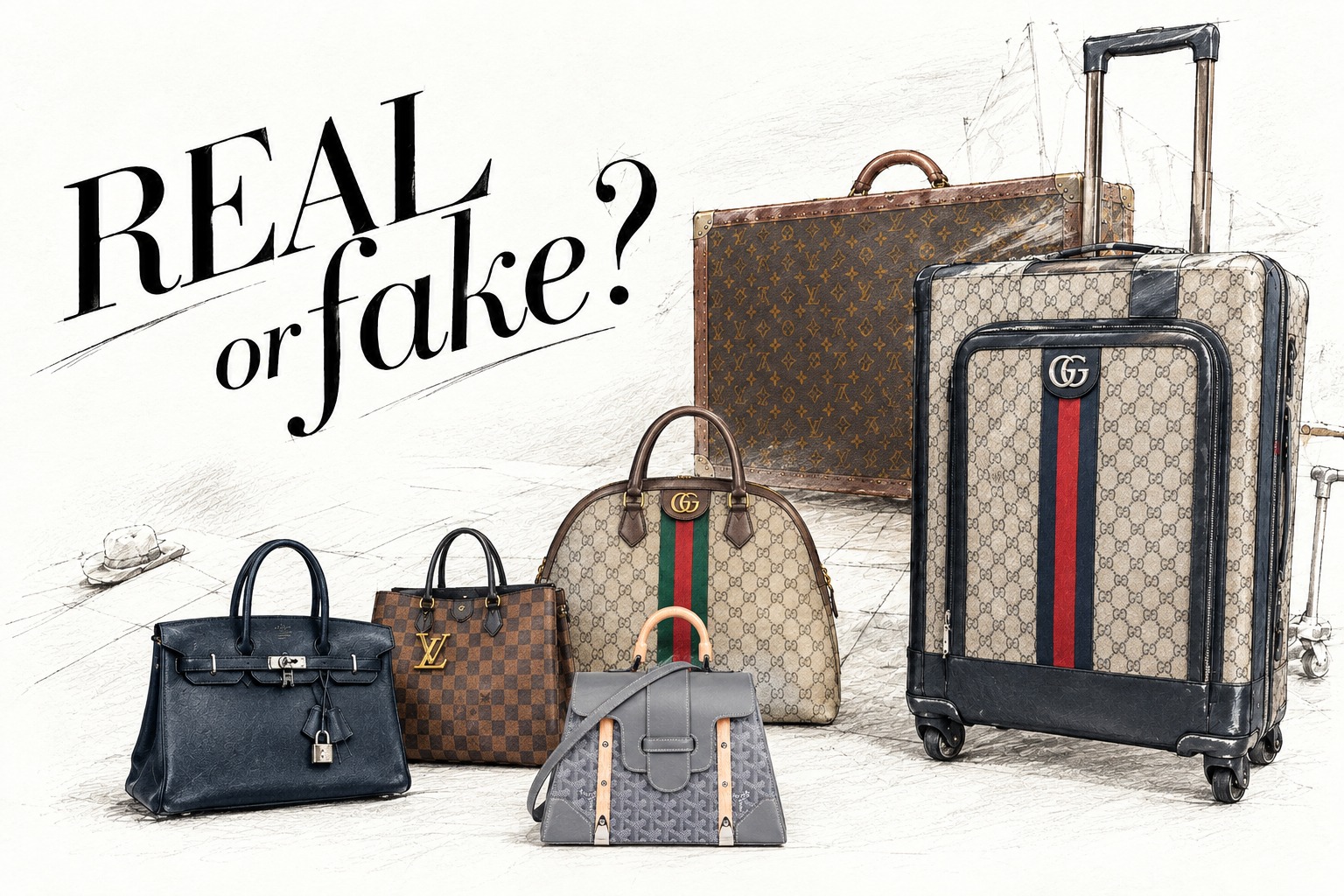
Counterfeits have come a long way. A well-made fake luxury bag can pass a quick glance, and even experienced buyers get caught out, especially when buying online without holding the bag first. The good news is that fakes usually slip up on small details. Here are nine signs most buyers miss when trying to spot a fake luxury bag.
Why a Fake Luxury Bag Is Harder to Spot Than Ever
Counterfeiters study genuine bags closely and copy everything they can, from hardware shapes to the look of the dust bag. That’s why no single sign proves a bag is real or fake. Look at several together, and compare each one with official product images or a bag you know is authentic.
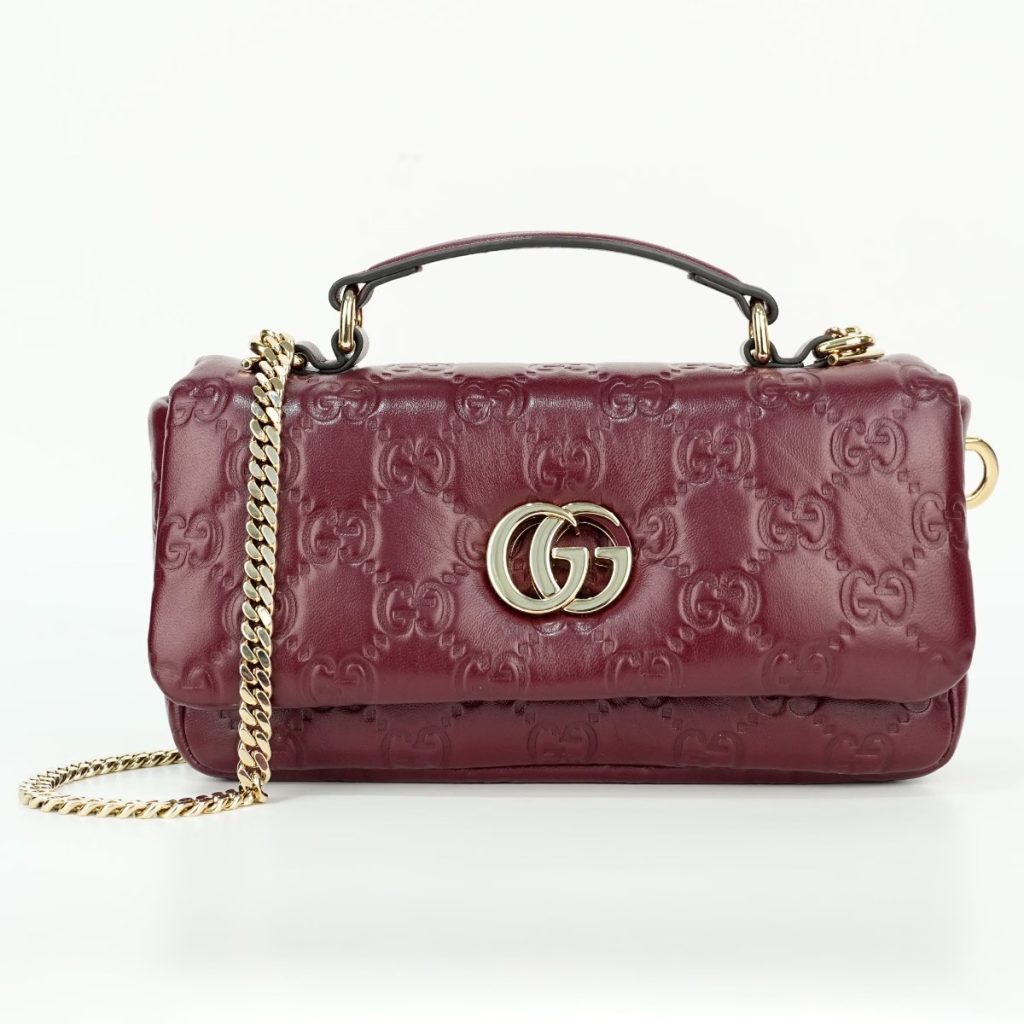
9 Signs of a Fake Luxury Bag
1. Uneven or sloppy stitching
Genuine luxury bags have tight, even stitches with consistent length and straight lines. Watch for loose threads, crooked seams, uneven spacing, and stitching that runs off the edge of a panel.
2. Lightweight or uneven hardware
Real hardware feels solid and has an even finish. Fakes often use lighter metal, and their plating can look patchy, flake near edges, or show a color slightly off from the brand’s usual gold or silver. Zippers should glide smoothly and match what the brand typically uses.
3. Logo and font details
Look closely at the lettering. Letters on a genuine bag are crisp, evenly spaced and correctly shaped. Blurry stamping, letters that touch, or spacing that looks “off” are common giveaways.
4. Serial numbers and date codes that don’t add up
Many (not all) brands use serial numbers, date codes or stickers, and each has its own format and placement. Fakes often use a format that doesn’t match the brand or the bag’s era. Copied numbers can also look real, so never treat a serial number as proof by itself.
5. Materials that feel wrong
Real leather has natural, slightly irregular grain, while cheap imitations often look too uniform and can smell of glue or chemicals. Canvas should feel sturdy and finished, not thin or plasticky.
6. Careless interior lining and labels
Buyers often check the outside and skip the inside. Look at the lining fabric, the stitching around labels, and the font on interior stamps. Counterfeiters put less effort into what’s hidden from view.
7. Misaligned patterns and wrong proportions
On monogram or printed bags, the pattern should line up sensibly across seams and pockets. Also check the shape: a bag that sags, slouches or has odd proportions compared with official photos is a warning sign.
8. A suspicious dust bag or paperwork
Dust bags, cards and boxes can be faked too, and genuine bags sometimes lose theirs. Treat packaging as a supporting clue rather than proof, and check the fabric, print quality and font against known genuine examples.
9. A price or seller that feels too good
If a sought-after style is priced far below the market, be cautious. Check the seller’s history, ask for detailed photos, and read the return policy before paying.
There are practical reasons too:
- Value: Pre-owned pieces usually cost less than the same style bought new, especially in excellent condition.
- Access: Older or discontinued colors and finishes are only available on the resale market.
- Sustainability: Buying pre-owned extends the life of a well-made bag.
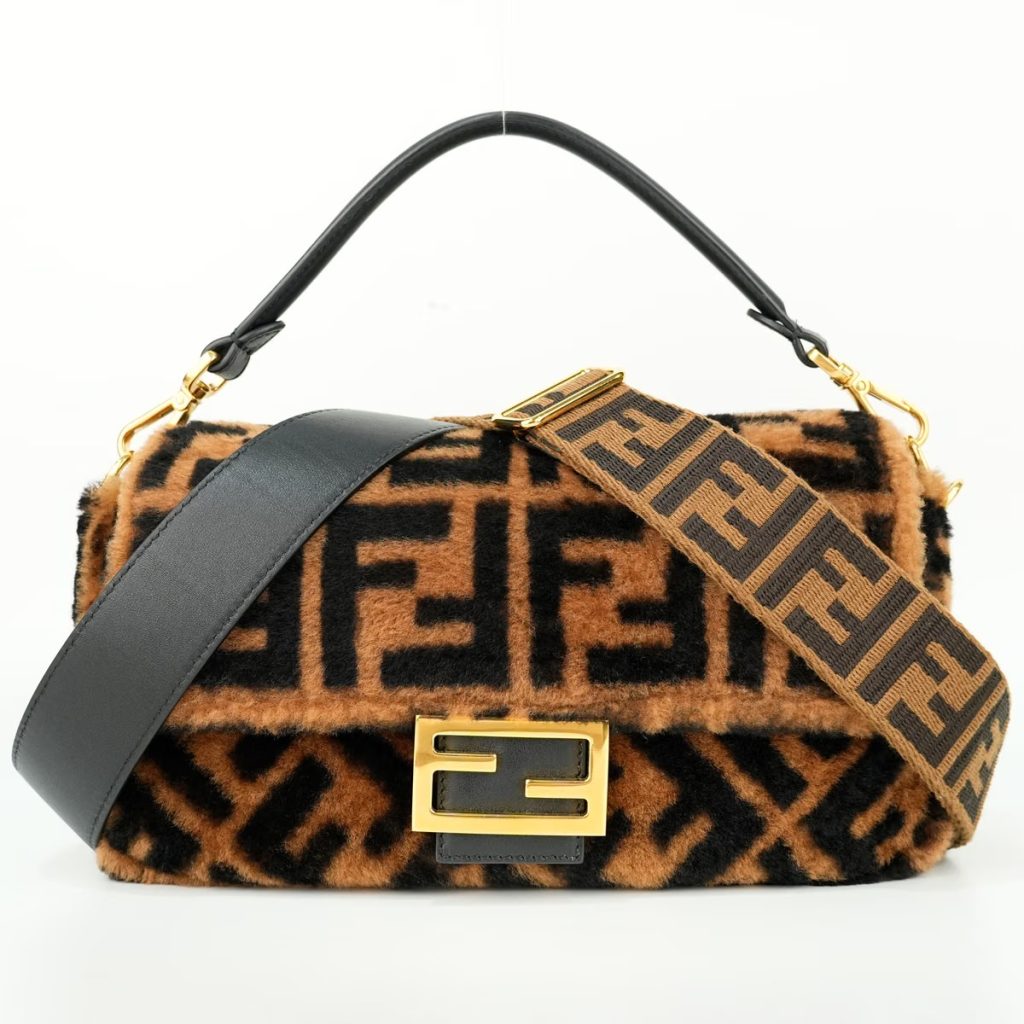
Buy From a Source That Authenticates Every Bag
The safest way to avoid a fake luxury bag is to buy from a seller that authenticates every item and backs it with a clear return policy. At Luxepolis, every item is physically inspected by experience authentication specialist and checked against more than 12 terabytes of proprietary historical authentication data. Browse our collection of authenticated luxury bags
Final Thoughts: Don't Get Caught With a Fake Luxury Bag
Spotting a counterfeit comes down to patience and detail. Check the stitching, hardware, lettering, materials, interior and price, and never rely on one sign alone. When in doubt, ask an expert before you buy.